

How Interest Rate Changes May Impact Multifamily Investments
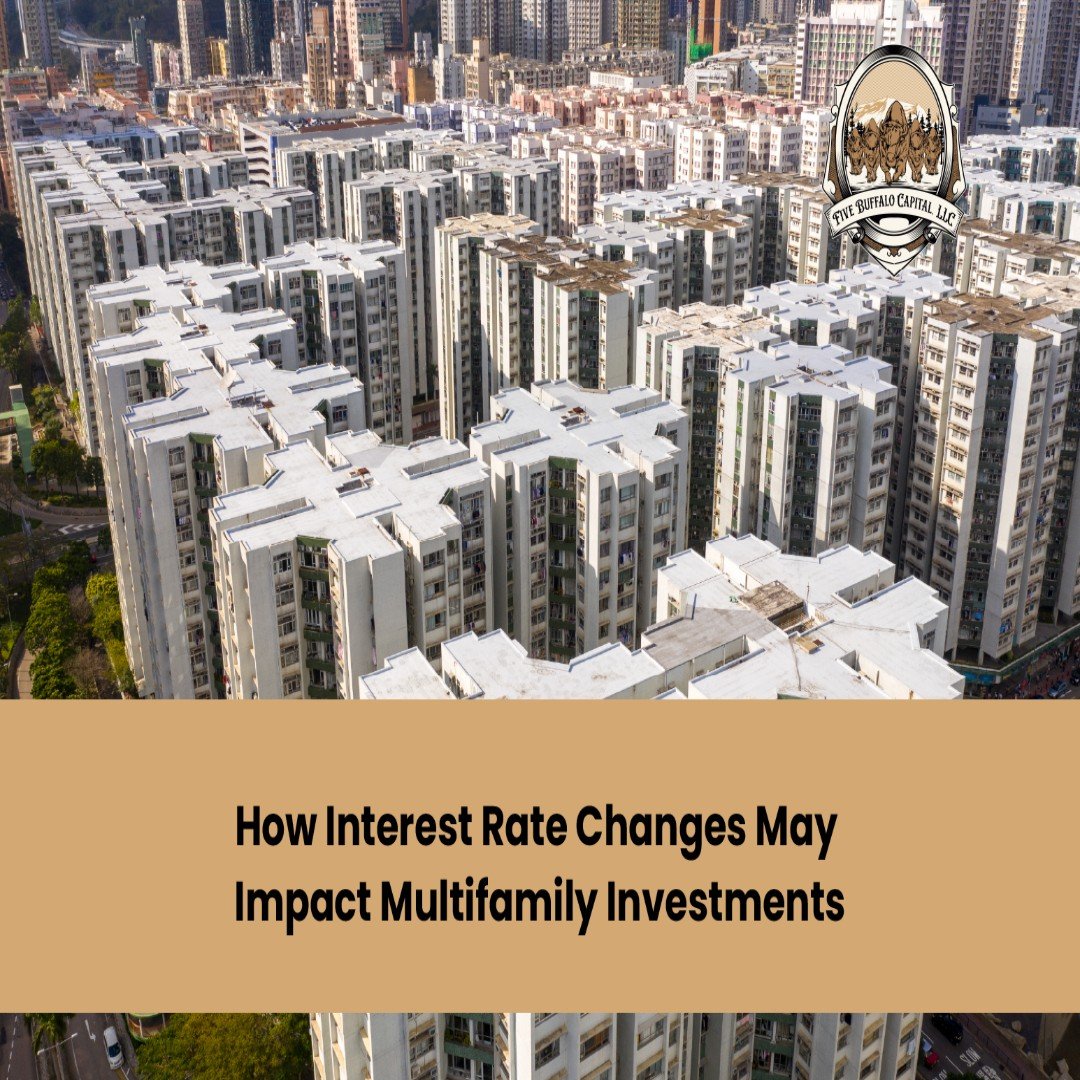
Interest rates play a pivotal role in shaping the landscape of commercial real estate investing, and understanding their impact is crucial for investors seeking to maximize returns in multifamily real estate investing. As the Federal Reserve adjusts rates in response to economic conditions, multifamily investors must navigate both the challenges and opportunities these shifts can create. Here are some items to consider regarding how interest rate fluctuations may affect a multifamily investment strategy.Understanding the Direct Impact on Financing Costs
Interest rates directly influence the cost of borrowing capital for multifamily acquisitions. When rates rise, floating-rate mortgage payments increase, which can significantly impact cash flow and overall returns. Even a modest 0.25% increase in interest rates can translate to thousands of dollars in additional debt service payments on a multifamily property. For investors utilizing leverage, which is common in multifamily investing, higher rates mean reduced purchasing power. Properties that were financially viable at lower rates may no longer meet investment criteria when financing costs increase. This dynamic has led many investors to recalibrate their underwriting models and adjust return expectations accordingly.
The Ripple Effect on Property Valuations
Interest rate changes also affect property valuations through their impact on capitalization rates. As borrowing costs increase, cap rates typically expand to compensate investors for the higher cost of capital. This relationship can lead to downward pressure on property values during rising rate environments. However, this relationship isn't always linear. Strong fundamentals in multifamily markets—such as high rental demand, limited supply, and population growth—can offset some negative impacts of rising rates. Properties in high-growth markets with solid occupancy rates and rent growth potential may maintain their valuations better than those in weaker markets. Every market and sub-market is different, so it is crucial for investors to perform thorough due diligence using qualified professionals.
Opportunities During Rate Adjustment Periods
While rising interest rates present challenges, they can also create unique opportunities for strategic investors. Higher rates may reduce competition, particularly from overleveraged buyers, creating favorable negotiation conditions for well-capitalized investors. Additionally, rate increases may slow new construction due to higher development costs, which can reduce future supply and support rent growth for existing properties. Conversely, when rates decrease, refinancing opportunities often emerge. Property owners with existing high-rate mortgages can potentially lower their debt service costs, immediately improving cash flow and overall returns. Rate cuts can also stimulate transaction activity and support property value appreciation as the cost of capital becomes more favorable.
Impact on Rental Demand and Income Stability
Interest rate movements indirectly affect multifamily demand by influencing homeownership affordability. When rates rise, mortgage payments for homebuyers seeking new mortgages increase, making homeownership less attainable for many Americans. This dynamic often drives more people toward renting, potentially increasing demand for multifamily units. This relationship has been evident in recent years, as elevated interest rates have kept many would-be homebuyers in the rental market longer than anticipated. For multifamily investors, this trend often supports occupancy rates and can justify rent increases in many markets, helping to offset or balance some negative impacts of higher financing costs.
Strategic Considerations for Investors
Successful multifamily investors adapt their strategies based on the interest rate environment. During high-rate periods, focusing on value add opportunities, shorter loan terms, and properties with strong cash flow becomes particularly important. Fixed-rate financing, while potentially more expensive upfront, provides protection against future rate increases and cash flow predictability. Investors may want to consider maintaining flexibility in their capital structure and partnerships with experienced operators who understand how to navigate various rate environments. Diversification across multiple markets seeks to mitigate location-specific risks that may be exacerbated by interest rate changes.
Looking Ahead: Seeking to Position for Success
Interest rates will continue to fluctuate based on economic conditions, inflation trends, and Federal Reserve policy. While no one can predict future rate movements with certainty, investors who understand the mechanics of how rates impact multifamily investments can seek to position themselves to capitalize on opportunities in various interest rate environments.
At Five Buffalo Capital, we leverage data-driven analysis and market expertise to identify multifamily opportunities that fit our value-add multifamily strategy.
Important Information – Blogs are intended to be educational and rely on information from sources deemed to be reliable. Nothing in this blog contains legal, tax, financial, or any other type of advice. All investors should consult their own financial, tax, legal, and other professional advisors to determine if an investment is suitable for their unique situation.
*All investments have risk. Please view our disclosures. https://www.fivebuffalocapital.com/disclosures